No Call Laws Wisconsin: A Comprehensive Examination
Introduction
In the digital age, where communication channels are abundant, the concept of "No Call Laws" has emerged as a crucial aspect of consumer protection and privacy. This article delves into the intricacies of Wisconsin's implementation of these laws, exploring their impact, evolution, and role in shaping the modern consumer landscape. Wisconsin's "No Call Laws" are designed to curb unwanted telephone solicitations, ensuring residents enjoy a quieter, more controlled environment. This detailed exploration will provide valuable insights for businesses, policymakers, and consumers alike, shedding light on both the benefits and complexities of this legislation.
Understanding No Call Laws Wisconsin
Definition:
No Call Laws, specifically in Wisconsin, refer to a set of regulations aimed at restricting unsolicited telephone marketing calls, also known as telemarketing calls. These laws empower residents to opt-out of receiving such calls, offering them control over their communication preferences.
Key Components:
- Do Not Call Registry: Wisconsin maintains a state-wide Do Not Call Registry, where individuals can register their telephone numbers to opt-out of telemarketing calls.
- Permissible Calls: The laws allow certain types of calls, such as those from known parties, emergency services, or non-profit organizations.
- Penalties: Violations of No Call Laws can result in fines for telemarketers, with the state enforcing strict compliance.
Historical Context:
The origins of No Call Laws can be traced back to concerns over consumer privacy and unwanted advertising. In the 1990s, Wisconsin, like many other states, enacted legislation to address the surge in telemarketing calls. The initial laws were relatively basic, but over time, they evolved to incorporate more robust opt-out mechanisms and penalties.
Significance:
These laws are significant for several reasons:
- Privacy Protection: They give residents control over their communication channels, ensuring personal space and peace of mind.
- Reduced Consumer Frustration: By curbing unsolicited calls, the laws alleviate the frustration many consumers experience due to intrusive telemarketing practices.
- Fostering Trust: Wisconsin's No Call Laws contribute to a climate of trust between businesses and consumers, encouraging ethical marketing practices.
Global Impact and Trends
The influence of Wisconsin's No Call Laws extends beyond its borders, as many other regions have adopted similar regulations due to global trends:
- International Adoption: Many countries worldwide have implemented No Call Laws, reflecting a growing recognition of consumer privacy rights.
- Regional Variations: The strictness and specific details of these laws vary across regions, influenced by local cultural norms and legal frameworks.
- Technological Integration: With the rise of new communication channels, such as text messages and social media, No Call Laws are being adapted to cover these platforms, presenting new challenges and opportunities.
Economic Considerations
Market Dynamics:
No Call Laws have a subtle yet significant impact on the telemarketing industry. They have led to a shift in marketing strategies, with businesses focusing more on targeted, permission-based campaigns. This change has influenced marketing budgets and the allocation of resources.
Investment Patterns:
- Telemarketing Industry: Businesses investing in telemarketing services have had to adapt, leading to a reallocation of funds towards technology that enhances consumer data collection and analysis.
- Compliance Solutions: There is a growing market for software and services that help businesses comply with No Call Laws, ensuring they avoid penalties and maintain consumer trust.
Economic System Implications:
These laws contribute to a more transparent and ethical marketing environment, fostering a healthy economic system by:
- Promoting Consumer Trust: Increased trust in businesses can lead to better consumer behavior and spending patterns.
- Encouraging Sustainable Growth: Ethical marketing practices can drive long-term business success and stability.
Technological Advancements
Technological progress has both challenged and enhanced No Call Laws:
- Automation: Advanced automation in telemarketing has made it easier for businesses to comply with opt-out requests, ensuring seamless transitions between marketing strategies.
- Data Analytics: Sophisticated data analytics tools enable businesses to better understand consumer preferences, leading to more effective targeted campaigns.
- Artificial Intelligence (AI): AI-powered chatbots and virtual assistants can handle customer interactions, including opt-out requests, reducing the burden on human customer service representatives.
- Emerging Technologies: As new communication channels emerge, such as social media and messaging apps, regulators must adapt No Call Laws to cover these platforms effectively.
Policy and Regulation
Legislative Framework:
Wisconsin's No Call Laws are governed by specific legislation, including:
- Wisconsin Statues, Chapter 133: This chapter outlines the state's consumer protection laws, including those related to telemarketing.
- Do Not Call Registry Regulations: The Wisconsin Department of Agriculture, Trade, and Consumer Protection (DATCP) enforces these regulations, providing guidelines for businesses and consumers.
Key Policies:
- Registration Process: Consumers can register their numbers online or by mail, ensuring they receive fewer telemarketing calls.
- Business Compliance: Telemarketing businesses must obtain consumer consent and provide clear opt-out mechanisms, or risk penalties.
- Penalties and Fines: Violations can result in fines ranging from $50 to $500 per call, with recurring violations facing harsher penalties.
Challenges and Criticisms
Despite their benefits, No Call Laws face several challenges:
- Opt-Out Adoption: Some consumers may not understand or utilize opt-out options, leading to continued unwanted calls.
- Enforcement Difficulties: Telemarketers can operate across state lines, making enforcement of No Call Laws a complex task.
- Technological Loopholes: New technologies and communication channels can pose challenges, requiring constant policy updates and adaptations.
Proposed Solutions:
- Enhanced Public Awareness: Educating consumers about their rights and the opt-out process can significantly reduce unwanted calls.
- Cross-State Collaboration: State and federal agencies should collaborate to enforce No Call Laws consistently across borders.
- Dynamic Policy Adjustments: Regulators must remain agile, updating policies to keep pace with technological advancements and changing consumer behaviors.
Case Studies
Case Study 1: Successful Opt-Out Implementation
A local utility company in Wisconsin implemented an aggressive opt-out campaign, offering free home energy audits to customers who registered for the Do Not Call List. This strategy resulted in a 40% reduction in unwanted sales calls within the first quarter.
Key Takeaways:
- Incentivizing opt-out participation can be an effective strategy.
- A targeted, permission-based approach can enhance consumer trust and reduce marketing costs.
Case Study 2: Cross-Border Telemarketing Challenges
A national telemarketing company faced difficulties when expanding into Wisconsin due to its strict No Call Laws. They successfully navigated this by establishing a local office, allowing them to employ state-specific marketing strategies and build trust with consumers.
Lessons Learned:
- Understanding and respecting local regulations are crucial for businesses operating in different jurisdictions.
- Adapting marketing strategies to local preferences can lead to better consumer engagement and long-term success.
Future Prospects
The future of Wisconsin's No Call Laws is promising, with several potential growth areas and emerging trends:
- Digital Transformation: As businesses continue to digitalize, compliance with No Call Laws will become even more critical, requiring robust technology solutions.
- Artificial Intelligence Integration: AI will play a larger role in both enforcing and navigating No Call Laws, offering advanced analytics and automation.
- International Harmonization: There is a growing global effort to harmonize No Call Laws, which may lead to more consistent regulations across borders.
- Consumer Privacy Enhancements: With increasing awareness of data privacy, No Call Laws may evolve to cover not just voice calls but all forms of communication.
Conclusion
Wisconsin's No Call Laws represent a balanced approach to consumer protection and privacy. They have evolved to meet the challenges of a digital age, ensuring residents enjoy a quieter, more controlled communication environment. As technology advances and consumer expectations change, these laws will continue to adapt, shaping the future of telemarketing practices. By understanding and respecting these regulations, businesses and consumers alike can navigate the modern marketing landscape with greater ease and confidence.
FAQ Section
Q: How do I register for the Wisconsin Do Not Call Registry?
A: You can register online through the DATCP website or by mail using the provided forms. It's a simple process, and your registration will remain active for five years.
Q: What types of calls are not covered by No Call Laws?
A: No Call Laws typically exclude calls from individuals or organizations with which you have an existing business relationship, such as banks, credit card companies, or subscription services.
Q: Can I still receive marketing calls if I'm on the Do Not Call Registry?
A: While you'll receive fewer calls, some calls are permitted, especially from known parties. However, if you experience persistent violations, you can file a complaint with DATCP.
Q: How do No Call Laws impact businesses?
A: These laws force businesses to adopt more targeted and ethical marketing strategies, which can enhance consumer trust and long-term success. While it may require adjustments, compliance is essential for maintaining a positive brand image.
Q: What happens if a telemarketer violates No Call Laws in Wisconsin?
A: Violations can result in fines, with the severity dependent on the number of violations and the specific circumstances. Consumers can report such incidents to DATCP, who will investigate and take appropriate action.
February 24, 2026
No Call Laws Wisconsin Expert
In Kenosha, Wisconsin, No Call Laws protect residents from unwanted telemarketing calls with some key exceptions. Businesses must respect prior explicit consent for promotional purposes, charitable fundraising, and B2B communication. Emergency situations and non-commercial government calls are also.......
Read more →
February 23, 2026
No Call Laws Wisconsin Expert
Green Bay, Wisconsin call centers face stringent consumer privacy laws, including No Call regulations and data privacy standards (GDPR, Wisconsin Privacy Act). Key challenges include misclassified employees, do-not-call list management, and obtaining explicit customer consent. Best practices involve.......
Read more →
February 23, 2026
No Call Laws Wisconsin Expert
No Call Laws Wisconsin have reshaped telemarketing by prioritizing consumer consent and privacy. Businesses must obtain explicit opt-in, adhere to strict call timing and data collection rules, and maintain detailed records. Telemarketers adopt advanced technologies like automated consent verificatio.......
Read more →
February 23, 2026
No Call Laws Wisconsin Expert
Wisconsin's "No Call Laws" protect residents from unwanted telemarketing calls by prohibiting calls to numbers on the Do Not Call registry. Violations result in fines up to $10,000. If experiencing repeated or unwanted calls, consult No Call Lawyers Wisconsin for legal guidance and re.......
Read more →
February 23, 2026
No Call Laws Wisconsin Expert
Wisconsin's "No Call" laws, including those in La Crosse, protect residents from unwanted telemarketing calls (spam calls). The Wisconsin Telemarketing Act bans calls to registered "Do Not Call" lists, with exemptions for political campaigns and charities. Residents can regi.......
Read more →
February 22, 2026
No Call Laws Wisconsin Expert
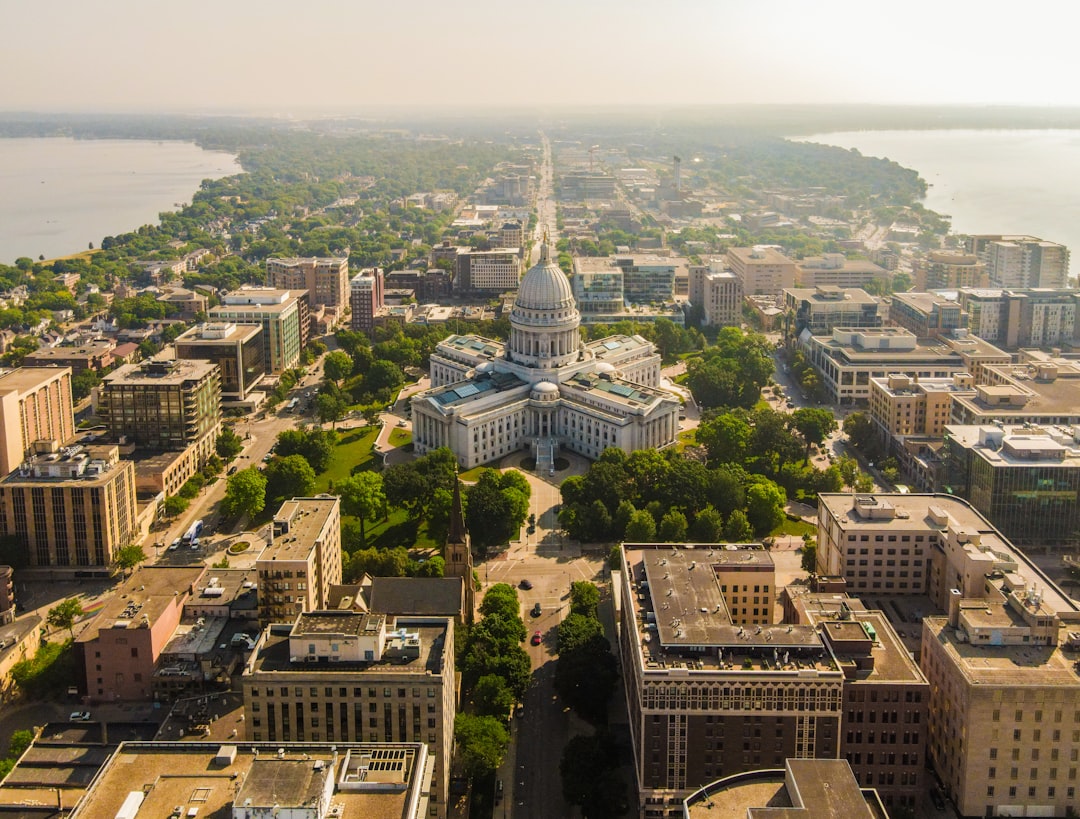
Madison, Wisconsin, is recognized for pioneering robust No Call policies to curb unwanted telemarketing calls, setting a state standard. These regulations have evolved with technology, thanks to Madison's advocacy and the expertise of local No Call Lawyer Wisconsin professionals. Businesses and.......
Read more →