
No Call Lawyer Wisconsin offers a convenient and accessible legal service, eliminating the need for initial phone consultations. With evolving "no call" regulations in Kenosha and Wisconsin, these lawyers empower individuals to take action against intrusive marketing practices. However, they face challenges due to new communication technologies, requiring innovative strategies to protect residents. The future may see AI-driven call filtering and more personalized communication settings, empowering citizens through legal awareness and understanding their do-not-call rights.
"In Kenosha, Wisconsin, no-call regulations have been transforming how residents engage with telemarketers. This article delves into the future of these laws in the coming decade, offering a comprehensive guide for locals. We explore the historical evolution of no-call rules, analyze challenges and loopholes, and predict potential trends.
Understanding your rights as a Wisconsin resident is crucial, especially with the help of local no-call lawyers. Empower yourself with legal awareness to navigate these changing regulations effectively."
Understanding No Call Laws in Kenosha: A Overview for Residents

Historical Perspective: How Have No Call Regulations Evolved?

Over the past few decades, "no call" regulations have undergone a significant evolution in Kenosha and across Wisconsin. Initially implemented to protect residents from unwanted telemarketing calls, these laws have gradually expanded to encompass a wider range of unwanted communications, including robocalls, spam texts, and pre-recorded messages. The introduction of No Call Lawyer Wisconsin has played a pivotal role in this shift, empowering individuals to take action against violators and seek legal recourse for harassment.
Historically, these regulations started as simple do-not-call lists, allowing residents to opt-out of receiving marketing calls. However, with the advent of new communication technologies, laws needed to adapt. Today, Wisconsin's no call regulations are more robust, offering comprehensive protections against unsolicited communications. This evolution reflects a growing awareness of the impact of excessive noise in our lives and the need for legal mechanisms to preserve peace and privacy.
Challenges and Loopholes: Common Issues Facing Wisconsin No Call Lawyers
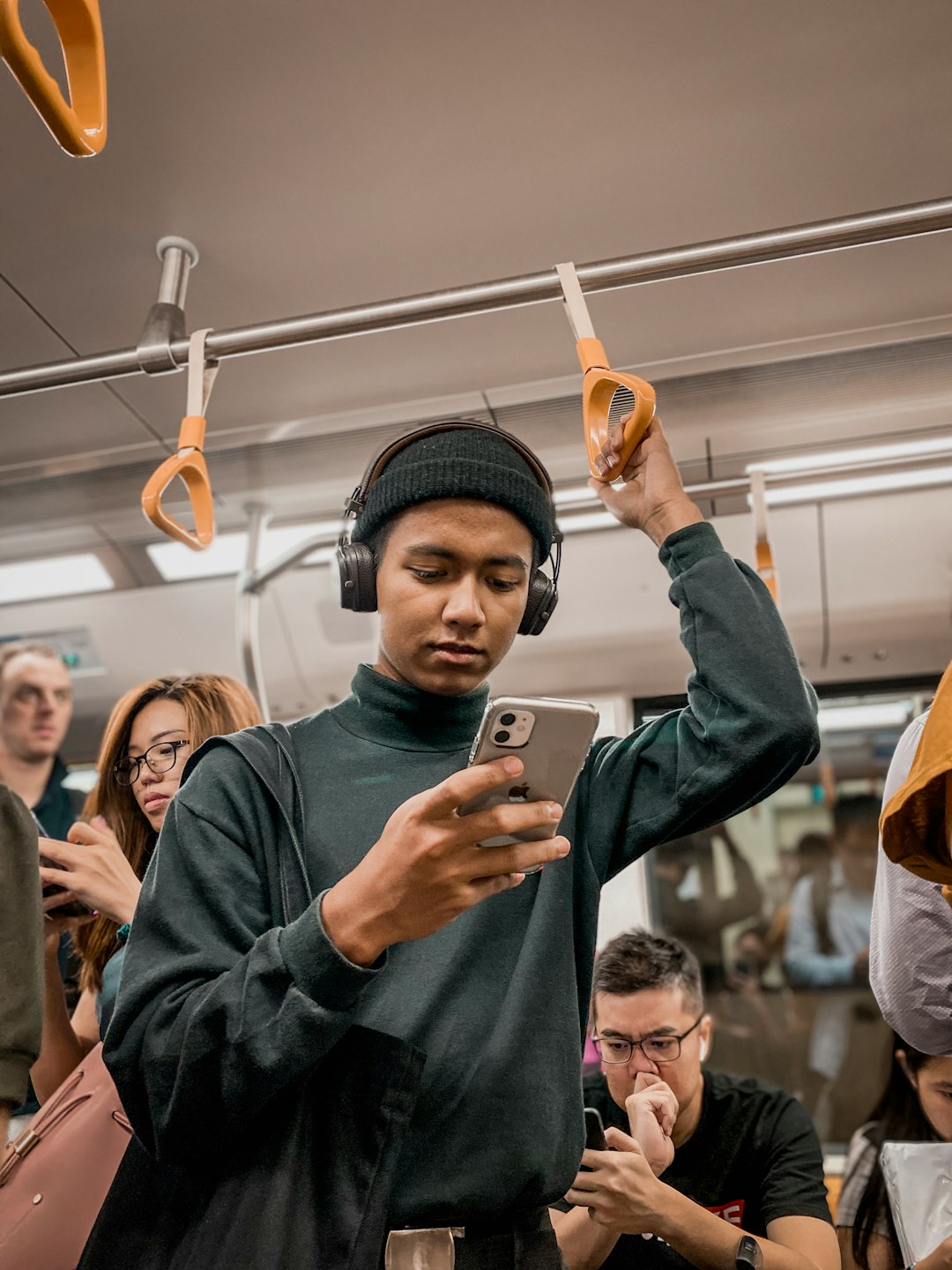
Despite the best intentions behind no-call regulations, Wisconsin No Call Lawyers often encounter significant challenges and loopholes that complicate their work. One major issue is the evolving nature of communication technology, which makes it difficult to define and enforce boundaries between businesses and consumers. With new channels like text messages, social media, and email adding to the mix, distinguishing between legitimate marketing efforts and unwanted calls or messages can be intricate.
Moreover, certain sectors and businesses exploit legal ambiguities to bypass no-call restrictions. This includes aggressive telemarketing tactics disguised as "surveys" or "contest alerts," which continue to inundate residents' phones despite regulations. Wisconsin No Call Lawyers must continually adapt to these strategies, staying informed about legal updates and employing innovative approaches to protect consumers from intrusive marketing practices.
Future Trends: Predicting Changes in the Next Decade

In the next decade, the landscape of no-call regulations in Kenosha, Wisconsin, is poised for significant shifts. As technology evolves, consumer preferences change, and legal frameworks adapt, we can anticipate several key trends. One prominent trend will be the increased reliance on AI and machine learning to filter out unwanted calls, potentially reducing the need for manual intervention by No Call Lawyers in Wisconsin. Automated systems could effectively identify and block spam calls at a larger scale, offering residents a more robust defense against relentless telemarketers.
Furthermore, there may be a move towards more granular consumer choices, allowing individuals to customize their no-call preferences. This could include the ability to opt out of specific types of calls—such as political campaigns or charity solicitations—while still receiving desired communications. Such advancements would empower residents to take control of their communication preferences, making it easier for legitimate businesses to connect while maintaining a strict separation from intrusive telemarketing practices.
Rights and Resources: Empowering Citizens Through Legal Awareness

In the next decade, as No Call regulations in Kenosha, Wisconsin, evolve, empowering citizens through legal awareness will be paramount. Education around do-not-call rights and resources is crucial to ensure residents can protect themselves from unwanted phone calls. By understanding their legal protections, Kenosha folks can more effectively navigate the complex landscape of privacy laws, ensuring they are not disturbed by telemarketing or fraudulent calls.
This proactive approach encourages citizens to take control of their communication preferences. With the help of No Call lawyer Wisconsin experts, community members can learn how to register for do-not-call lists, file complaints against violators, and even seek legal recourse when necessary. Armed with this knowledge, Kenosha residents will be better equipped to defend their personal time and space from intrusive phone calls.